Choosing the right approach to exploring biblical paradise and heaven starts with clear context, practical filters, and realistic expectations.
Introduction to Biblical Paradise
The concept of biblical paradise and heaven has been a topic of fascination and debate for centuries. The idea of a utopian afterlife where believers can reside in peace and harmony with God is a central tenet of Christian faith. But what exactly is biblical paradise, and how does it relate to the concept of heaven? In this exploration, we will delve into the biblical references to paradise and heaven, examining their meanings, significance, and relationship to Christian theology.
The Biblical Concept of Paradise
The word "paradise" is derived from the Persian word "pairidaeza," meaning "walled garden" or "enclosure." In the Bible, the concept of paradise is first introduced in the book of Genesis, where the Garden of Eden is described as a paradise on earth. This garden was a place of beauty, abundance, and joy, where Adam and Eve lived in harmony with God. However, after the fall of humanity, the Garden of Eden was lost, and the concept of paradise became associated with the afterlife.
The New Testament Concept of Paradise In the New Testament, Jesus refers to paradise as a place where
the righteous will dwell after death. In Luke 23:43, Jesus tells the thief on the cross, "Today you will be with me in paradise." This statement suggests that paradise is a real place, where believers will experience joy, peace, and communion with God. The apostle Paul also writes about paradise in 2 Corinthians 12:4, where he describes being caught up to the third heaven and experiencing the joys of paradise.
The Relationship Between Paradise and Heaven So, what is
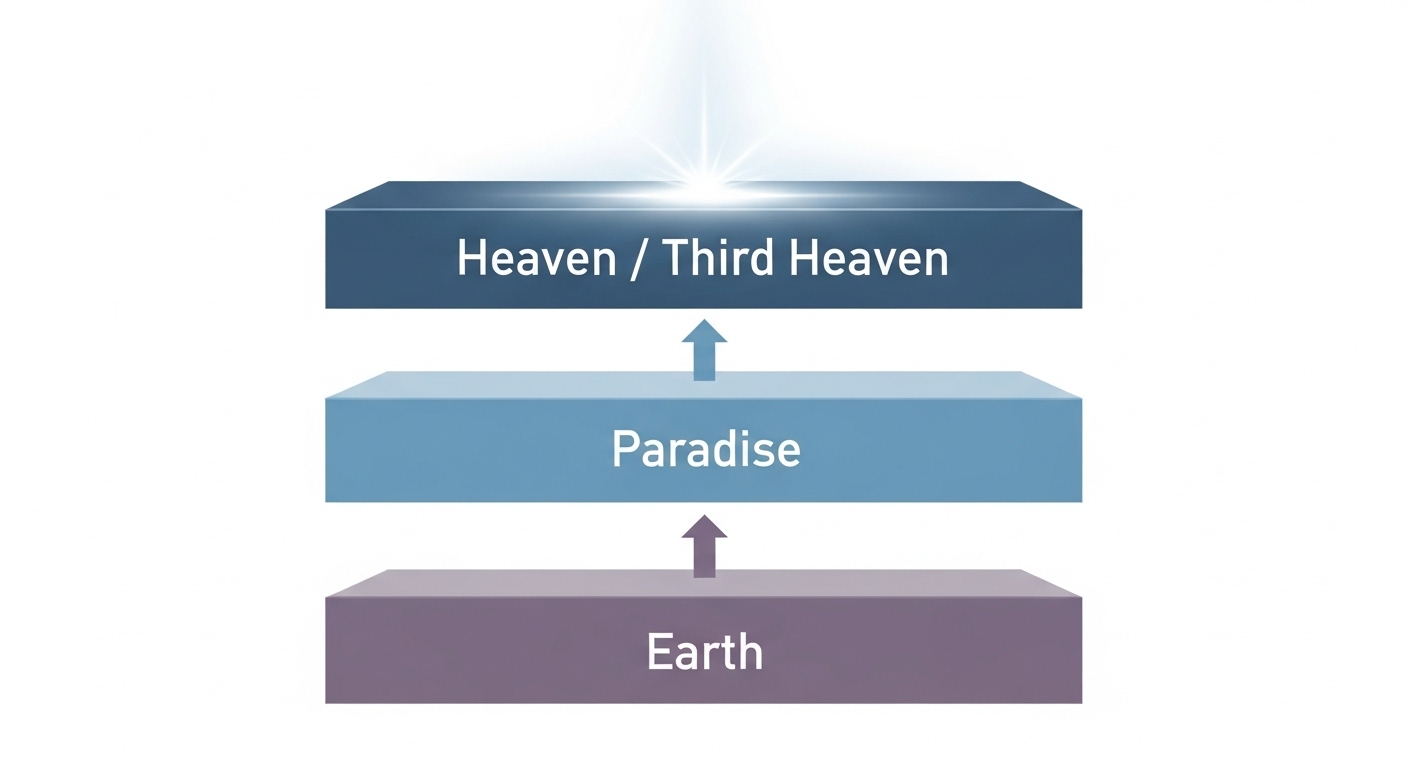
the relationship between paradise and heaven? Are they the same place, or are they distinct destinations? The Bible does not provide a clear distinction between the two, but it is possible to infer that paradise is a part of heaven. Heaven is often described as the dwelling place of God, where believers will worship and serve Him for eternity. Paradise, on the other hand, may refer to a specific region or experience within heaven, where believers will enjoy the presence of God and the beauty of His creation.
Common Misconceptions About Biblical Paradise
There are several common misconceptions about biblical paradise that need to be addressed. One misconception is that paradise is a place of hedonistic pleasure, where believers will indulge in earthly desires. However, the Bible describes paradise as a place of spiritual joy, peace, and communion with God. Another misconception is that paradise is only available to a select few, while the majority of people will be excluded. However, the Bible teaches that paradise is available to all who put their faith in Jesus Christ and accept Him as their Lord and Savior.
Practical Examples of Biblical Paradise So, what are some
practical examples of biblical paradise in everyday life? One example is the experience of worship and communion with God. When believers gather to worship and praise God, they can experience a foretaste of paradise. Another example is the experience of spiritual joy and peace, which can be found in the midst of trials and challenges. When believers trust in God and His sovereignty, they can experience the peace and joy of paradise, even in the midst of difficult circumstances.
The Significance of Biblical Paradise in Christian Theology
The concept of biblical paradise is significant in Christian theology because it provides hope and motivation for believers. The promise of paradise is a reminder that this life is not all there is, and that believers have a future destiny that is more glorious and beautiful than anything they can imagine. The concept of paradise also provides a framework for understanding the nature of God and His relationship with humanity. It highlights God's love, mercy, and justice, and provides a basis for trusting in His sovereignty and providence.
Comparison with Other Religious

Concepts of Paradise The concept of biblical paradise is not unique to Christianity, and other religions have their own concepts of paradise. For example, in Islam, paradise is known as Jannah, and is described as a place of beauty and joy, where believers will be rewarded for their good deeds. In Hinduism, paradise is known as Svarga, and is described as a place of temporary bliss, where souls will reside before being reincarnated. While these concepts of paradise share some similarities with the biblical concept, they are distinct and reflect the unique theological and philosophical perspectives of each religion.
Direct Comparison and Verdict
In comparison to other religious concepts of paradise, the biblical concept of paradise is unique in its emphasis on the personal relationship between God and humanity. The Bible teaches that paradise is not just a place, but an experience of communion with God, which is made possible through the death and resurrection of Jesus Christ. This emphasis on personal relationship and redemption sets the biblical concept of paradise apart from other religious concepts, and provides a distinctive and compelling vision of the afterlife.
Practical Implications of Biblical Paradise So, what are the
practical implications of biblical paradise for everyday life? One implication is that believers should live with a sense of hope and purpose, knowing that they have a future destiny that is more glorious and beautiful than anything they can imagine. Another implication is that believers should prioritize their relationship with God, seeking to deepen their communion with Him through prayer, worship, and obedience. By living in light of the promise of paradise, believers can experience a foretaste of heaven on earth, and can live with a sense of joy, peace, and fulfillment.
Conclusion and Actionable Steps
In conclusion, the concept of biblical paradise is a rich and complex topic that has been debated and explored for centuries. By examining the biblical references to paradise and heaven, we can gain a deeper understanding of the nature of God and His relationship with humanity. As believers, we can live with a sense of hope and purpose, knowing that we have a future destiny that is more glorious and beautiful than anything we can imagine. To apply the concept of biblical paradise to everyday life, believers can take the following steps:
- Prioritize their relationship with God, seeking to deepen their communion with Him through prayer, worship, and obedience.
- Live with a sense of hope and purpose, knowing that they have a future destiny that is more glorious and beautiful than anything they can imagine.
- Seek to experience a foretaste of paradise in everyday life, through worship, communion with God, and spiritual joy and peace.